
Australia: Sea cucumber farming in the seagrass
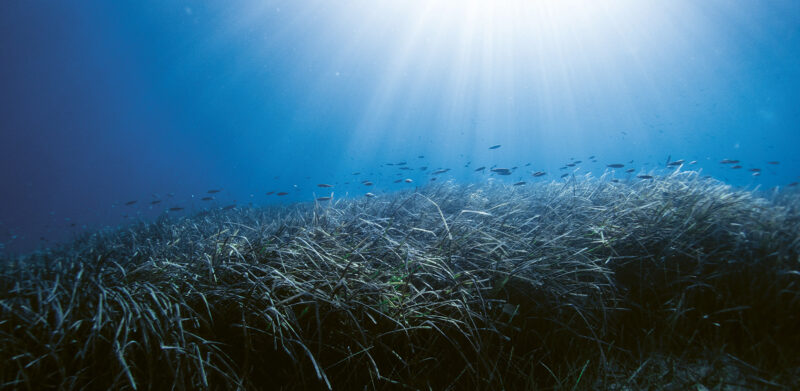
The vast seagrass meadows of Shark Bay on Australia’s west coast can even be seen from space. The Malgana Aboriginal people, who have lived in the bay for thousands of years, call this place Gathaagudu or Gutharraguda; their word for seagrass is wirriya jalyanu. In 2011, an extreme marine heatwave caused water temperatures to rise so rapidly that a quarter of Gathaagudu’s seagrass meadows died off — the largest documented seagrass die-off in the world.
Michael Wear is a member of the Malgana people and has been Professor of Indigenous Environmental Conservation at Murdoch University in Perth, Australia, since 2025. He knows the marine ecosystem around the seagrass meadows well and observed that sea cucumbers were surprisingly unaffected during the heatwave. The animals loosen sediment, recycle nutrients and create conditions in which seagrass can regrow more easily — even after heat stress.
This led to an idea: combining nature conservation, economic opportunities, and the millennia-old Aboriginal knowledge of the ecosystem. Through his company Tidal Moon, Wear is now working to replant seagrass while also building a sustainable sea cucumber economy. Sea cucumbers have been traded in the Asia-Pacific region for centuries.
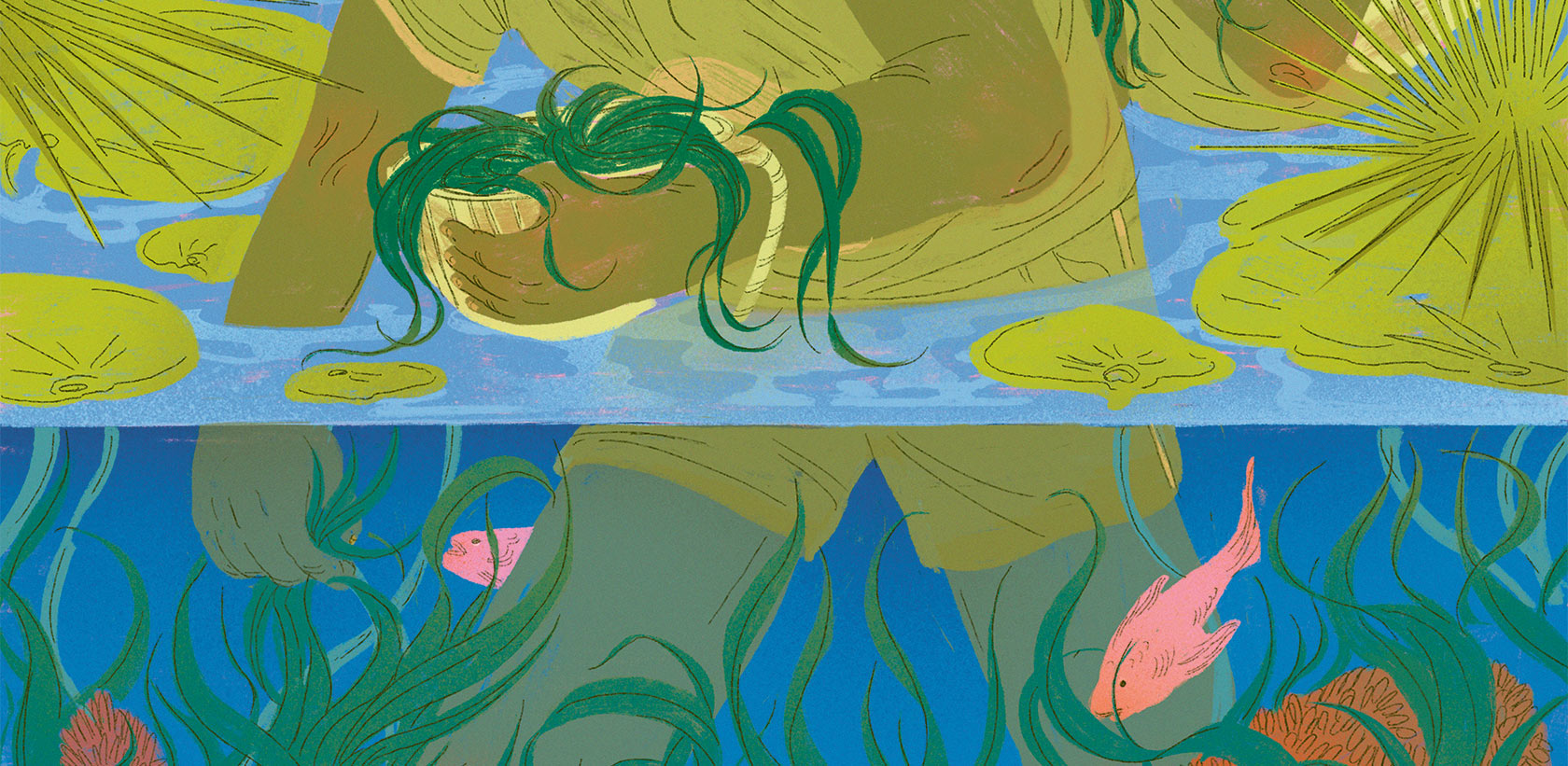
To do this, Wear has brought together three Aboriginal communities from the region: the Malgana, the Bayungu and the Thalanyji. The aim is a self-sustaining model of restoration that protects the marine ecosystem while also creating jobs and future prospects for Indigenous communities. Seagrass has long been used by Aboriginal peoples to weave baskets and make medicine and clothing. It also has ceremonial and spiritual significance for communities that see themselves as part of Australia’s entire physical and metaphysical ecosystem.
For the seagrass restoration work, Wear also collaborates with researchers at the University of Western Australia. Together, they have developed seedling nurseries staffed almost entirely by Aboriginal people. In 2025, Wear received the Prime Minister’s Prize for Aboriginal and Torres Strait Islander Knowledge Systems for Tidal Moon.
India: Protecting the cheerful seagrass cows
Protecting dugongs also protects seagrass: the grey marine mammals, which always seem to look cheerful, are regarded as the gardeners of the underwater meadows. When feeding, they plough up the seabed, loosen sediment and distribute plant remains from which new seagrass can grow. Because they do not simply graze on seagrass but promote its renewal, researchers call them “ecosystem engineers”.
In 2022, India’s first dugong conservation reserve was designated in Palk Bay, the shallow strait between India and Sri Lanka, covering around 450 to 500 square kilometres of a highly sensitive seagrass ecosystem. The region is home to the country’s largest remaining dugong population; current estimates put the number at more than 200 animals. The conservation project is supported scientifically by the Wildlife Institute of India, together with the Forest Department of the southern Indian state of Tamil Nadu.
The traditional Tamil fishing communities of Palk Bay, who have lived off the sea for generations, play a key role here. These communities have used seagrass for centuries as a medicine: for example, to treat dandruff, they process the leaves into a paste and apply it to the scalp. Mixed with sesame oil, the leaves are eaten to treat iron deficiency. The seeds of the seagrass species Enhalus acoroides — known in Tamil as Olai pasi, or ribbon seagrass — are used as feed for goats, cattle and pigs. People also eat the grass’s rhizome, which connects the shoot to the roots, for heart conditions and low blood pressure, for example.
Dugongs were long hunted in the region as a delicacy, and knowledge of the symbiosis between the animals and the seagrass meadows was lost. Organisations such as the OMCAR Foundation and the NGO Arumbugal have therefore put together awareness programmes in coastal villages, training young people and building trust between authorities and communities. Fishers now act as first responders when dugongs become entangled in nets: they report sightings, cut animals free and receive government rewards for successful rescues, which have significantly increased in recent times. Local divers from the fishing communities are also involved in replanting destroyed seagrass meadows. In this way, an ancient ecosystem of humans, plants, and animals is gradually being restored to stability.
Mexico: Seagrass cuisine
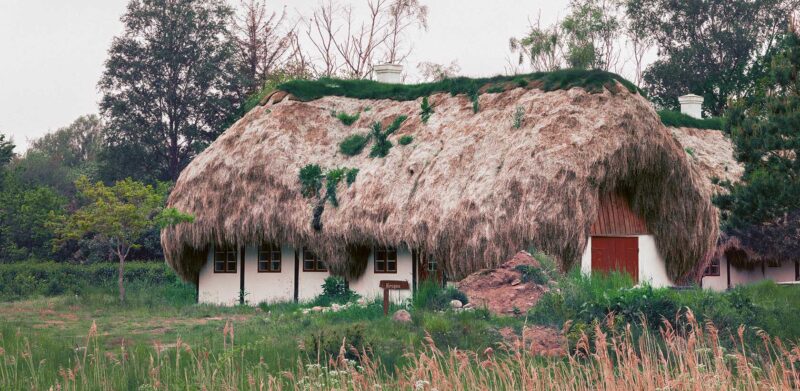
In northwestern Mexico, between the coast of the state of Sonora and Tiburón Island, a plant grows that has been particularly important to the Indigenous Comcaac people for centuries. The seagrass Zostera marina, which they call xnois, served as a source of food for generations: xnois seeds were ground into flour, mixed with water to make a paste, and baked into bread or cakes. As late as the 1970s, the Comcaac were still collecting seagrass leaves in order to eat the herring roe laid on them. A similar technique was practised by the Tlingit people in southeastern Alaska. The Comcaac also used the seagrass as a building material for thatching roofs. Over time, however, this knowledge was lost.
Now the plant is experiencing a renaissance. Together with researchers from the University of Sonora and the Borderlands Restoration Network, Comcaac environmentalists and chefs are reviving traditional techniques for harvesting and processing it. Today, the seeds are used to make foods that better suit the tastes of younger Comcaac people: tortillas, bread, drinks or energy bars made from xnois, for example. To collect the seeds, tufts of seagrass that are already floating on the surface of the water are gathered. This avoids endangering the meadows. The seeds are then dried, separated from the blades, sieved, roasted, and ground.
The work is time-consuming and used to be done entirely by hand. Together with universities and NGOs, the Comcaac are currently compiling data on the health of the seagrass meadows, as well as organising cooking workshops and educational events for young people. In the Comcaac’s territory, 96 per cent of the seagrass in the Gulf of California has survived. Researchers now want to develop a blue carbon credit system modelled on CO2 emissions trading. It could help the Comcaac earn money through environmental protection.
_______________________
This text was translated by our partner kompreno — created with the support of various AI models, then reviewed and refined by their editorial team. kompreno curates the world’s best journalism from over 30 international outlets — including The Atlantic, Le Monde and Die Zeit — and makes it available in five languages.